
Gear Reviews
Getting your hiking gear right doesn’t need to be complicated, but it does make a noticeable difference once you start walking further or dealing with less predictable conditions.
If you’re just starting out, it’s easy to assume you need a long list of specialist equipment before heading out. In reality, most hikes only require a handful of well-chosen items. The challenge is knowing what actually matters and what you can safely ignore.
This section covers the core pieces of hiking gear most people end up using regularly, from footwear and clothing to backpacks, navigation tools and smaller accessories. Whether you’re heading out for a short walk in the countryside or planning something more demanding, having the right setup will make things more comfortable and, in some cases, a lot safer.
Footwear is usually the first decision people wrestle with. Traditional hiking boots are still popular, particularly for rough terrain and heavier loads, but trail shoes have become a genuine alternative in recent years. I’ve used both over time, and the best option really depends on how and where you hike. If you’re trying to decide between them, it’s worth starting with a clear breakdown of the differences before looking at specific recommendations.
Clothing is another area where simple decisions can have a big impact. The layering system tends to get mentioned a lot, but for good reason. It works. A decent base layer, an insulating mid layer and a reliable waterproof shell will cover most conditions you’re likely to encounter in the UK. From there, it’s just a matter of adjusting based on the season and the type of walk you’re doing.
Backpacks are often overlooked until you’ve spent a few hours wearing one that doesn’t fit properly. A well-fitted pack should carry weight comfortably without digging into your shoulders or shifting around as you walk. For shorter hikes, a compact daypack is usually more than enough, while longer trips call for something with a bit more capacity and support.
Alongside the main gear, there are a few smaller items that are worth carrying more often than not. Things like a headlamp, basic navigation tools and a simple first aid kit don’t take up much space but can make a big difference if plans change or conditions turn.
If you’re new to hiking gear, the best place to start is with our Ultimate Hiking Gear Guide, which walks through everything in more detail. From there, you can explore more specific guides on footwear, clothing and other equipment depending on what you need.
The aim here isn’t to overcomplicate things or push unnecessary kit. It’s simply to help you choose gear that works, so you can focus on the walk rather than what you’re carrying.
-
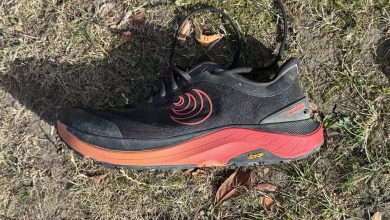
Topo Ultraventure 4 Review
I put the Topo Ultraventure 4 through its paces… but is it actually worth buying? The TrekSumo review process and…
Read More » -
Ultimate Hiking Gear Guide
The Ultimate Hiking Gear Guide Introduction For me, one of the great things about hiking is that it’s relatively simple…
Read More » -
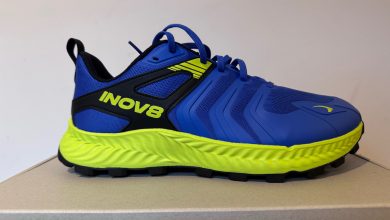
Inov8 Trail Talon Review: A Real Trail Running Shoe
Inov-8 Trail Talon review: trail weapon or just another muddy compromise? The Inov8 Trail Talon: fast, aggressive and comfortable. Inov8’s…
Read More » -
Montane Minimus Lite Jacket Review
A lightweight waterproof jacket ideal for fastpacking, hiking and even trail running. The Montane Minimus Lite Jacket is designed for…
Read More » -
Rab Xenair Alpine Light Jacket Review
Rab Xenair Alpine – my new go-to! Overall, I’m genuinely impressed with the Rab Xenair Alpine Light jacket. As you’ll…
Read More » -
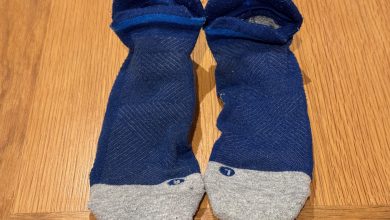
Feetures Elite Ultra Light No Tab Review
Yeah, that title is a mouthful! Feetures Elite Ultra Light No Show Tab Review: A Wide-Foot Runner’s New Best Friend…
Read More » -
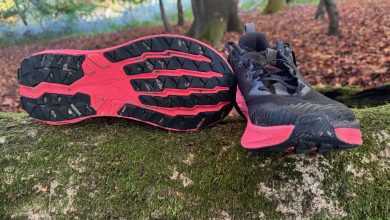
Altra Wild Experience 2 Review
Altra Experience Wild 2 review: trailblazing perfection, or just another overhyped shoe? The claim: the Altra Experience Wild 2 is…
Read More » -
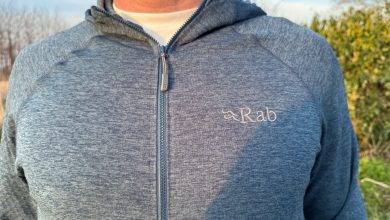
Rab Nexus Hoody review
The Rab Nexus Hoody is a lightweight, no-fuss fleece designed for active use, offering just enough warmth without weighing you…
Read More » -
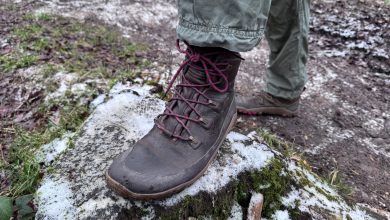
Vivobarefoot Tracker AT Review
Our thoughts: Vivobarefoot Tracker AT boots in the wild Overall, I’m very impressed with the Tracker AT boots. As you’ll…
Read More » -

Haglofs Mimic LIM Jacket review
A superlight insulated jacket made from recycled materials Haglofs’s logo is very cool. I stumbled upon the Haglofs’ L.I.M Mimic…
Read More »