Ultimate Hiking Gear Guide
The Ultimate Hiking Gear Guide
Introduction
For me, one of the great things about hiking is that it’s relatively simple to get started. A pair of comfortable shoes, a bit of fresh air and a decent trail are often all I need.
But once I start walking further, climbing higher or heading into more remote areas, the gear I choose becomes far more important.
Over the years, I’ve experimented with a lot of different hiking setups — from heavy traditional boots and large packs to much lighter systems built around trail running shoes and minimal gear. Some worked brilliantly. Others taught me useful lessons the hard (and often painful) way.
The aim of this guide is to walk you through the essential hiking gear every walker should understand, whether you’re planning short countryside walks or longer multi-day treks.
You don’t need to buy everything immediately. But knowing what each piece of equipment does — and when it’s actually useful — will help you make smarter decisions as you build your hiking kit.
What You’ll Learn in This Guide
- How to Choose the Right Hiking Gear
- Why Hiking Gear Matters for Comfort and Safety
- The Differences Between Hiking Boots and Trail Shoes
- Essential Hiking Clothing and Layering Systems
- How Much Should Your Hiking Gear Weigh?
- Choosing The Right Hiking Backpack
- Choosing the Right Navigation & Safety Gear
- Useful Hiking Accessories
- Seasonal Gear Considerations
- Recommended Gear Lists
- Conclusion
- Quick Hiking Gear Checklist
How to Choose the Right Hiking Gear
One mistake many beginners make is buying equipment designed for extreme expeditions when they only plan to walk a few miles on well-marked trails.
Good hiking gear should match the type of walking you actually do.
When choosing equipment, I usually consider three things:
The terrain
Gentle countryside trails require very different gear from rocky mountain routes. Boots that feel great on rough terrain might feel unnecessarily heavy on smoother paths.
The distance
Short day hikes require minimal equipment. Multi-day treks arguably demand more durable gear, larger backpacks and additional safety equipment.
The weather
In the UK especially, weather changes quickly. A sunny morning can turn into wind and rain surprisingly fast. Carrying gear that handles wet conditions well is almost always worthwhile.
Ultimately, the goal isn’t to carry every possible item I can cram into my rucksack.
The goal is to carry the right gear for the conditions I’m likely to encounter.
Common Hiking Gear Mistakes Beginners Make
When people first start hiking, they often assume they need expensive or highly specialised equipment. In reality, the biggest problems usually come from poor gear choices rather than lack of gear.
A few common mistakes include:
Wearing cotton clothing
Cotton absorbs moisture and dries slowly. Once wet, it can quickly make you feel cold and uncomfortable.
Choosing boots that are too heavy
This lesson is one I learned through much paing – wearing stiff leather boots designed for mountaineering when they’re only planning moderate hikes. Lighter footwear is often more comfortable.
Carrying too much gear
New hikers often pack far more equipment than they actually need. Extra weight quickly turns an enjoyable walk into a tiring slog.
Ignoring backpack fit
A poorly fitted backpack can cause shoulder pain and fatigue long before the hike is over. Trust me, this is one aspect of hiking that will drain you fast.
Getting the basics right usually makes a bigger difference than buying expensive gear.
Why Hiking Gear Matters for Comfort and Safety
Hiking gear affects far more than convenience.
It directly impacts:
- comfort on the trail
- energy levels
- injury prevention
- protection from weather
For example, poor footwear can lead to blisters or joint pain.
Inadequate clothing can leave you soaked during unexpected rain.
A badly fitted backpack can strain your shoulders and back.
Good gear removes these distractions. When everything works properly, you can focus on the walk itself rather than worrying about discomfort.
The Differences Between Hiking Boots and Trail Shoes
Your footwear is probably the most important piece of hiking equipment you own.
If your feet aren’t comfortable, the rest of your gear becomes irrelevant very quickly.
Over the years I’ve experimented with both traditional hiking boots and lighter trail shoes. Both have advantages depending on the situation.
Hiking Boots vs Trail Shoes
Traditional hiking boots offer durability, ankle support and protection on rough terrain.
They’re often a good choice when:
- carrying a heavier backpack
- hiking over rocky ground
- walking in muddy conditions
- tackling steep or uneven terrain
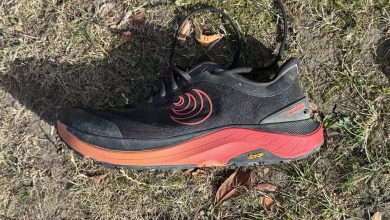
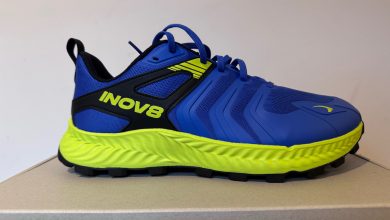
Trail running shoes, on the other hand, have become increasingly popular among hikers.
Personally, I now use trail shoes for many hikes because they’re lighter and more comfortable over long distances.
Trail shoes tend to work well when:
- carrying lighter loads
- hiking on well-maintained trails
- prioritising speed and comfort
If you’re comparing options, it may help to read a detailed guide on choosing the best hiking boots for long distance walks or exploring the advantages of trail running shoes for hiking.
Best Hiking Boots for Long Treks
When planning longer treks or multi-day backpacking trips, a solid pair of hiking boots still makes a lot of sense.
Good hiking boots typically offer:
- durable construction
- strong grip
- supportive midsoles
- weather resistance
Leather boots are extremely durable but often require a break-in period. Synthetic boots are lighter and more breathable but may wear out faster.
For detailed comparisons, see our guide to the best hiking boots for long distance walking.
Best Trail Shoes for Hiking
Trail running shoes have become a favourite option among many long-distance hikers.
The main benefits include:
- lighter weight
- excellent grip
- increased comfort over long distances
- minimal break-in time
I’ve found that lighter footwear often reduces fatigue during longer hikes.
However, trail shoes usually provide less ankle support and may wear out faster than boots.
If you’re interested in trying them, our review of the best trail shoes for hiking covers some popular options.
Hiking Socks and Blister Prevention
Socks are often overlooked, but they make a huge difference to comfort.
Cheap cotton socks trap moisture and create friction, which can quickly lead to blisters.
Instead, look for socks made from:
- merino wool
- synthetic blends
- moisture-wicking fabrics
Many hikers also carry spare socks on longer walks.
If blisters are a concern, you might find our guide to the best hiking socks for blister prevention useful.
Essential Hiking Clothing and Layering Systems
Clothing for hiking should prioritise comfort, breathability and weather protection.
The most effective approach is the layering system.
The Layering System Explained
Rather than wearing one thick jacket, hikers usually combine several lighter layers.
The basic system includes:
- base layer
- mid layer
- outer shell
This approach allows you to adapt quickly as temperatures change during a hike.
Base Layers
Base layers sit directly against your skin and help move moisture away from your body.
Merino wool and synthetic fabrics work best.
Cotton is best avoided because it absorbs sweat and dries slowly.
Mid Layers
Mid layers provide insulation.
Fleece jackets are popular because they’re lightweight and breathable.
Down jackets provide excellent warmth but lose effectiveness when wet. Synthetic insulation performs better in damp conditions.
Waterproof Jackets
A reliable waterproof jacket is essential for hiking in Britain.
Even in summer, rain can arrive unexpectedly.
Look for jackets with:
- waterproof membranes
- breathable fabric
- adjustable hoods
- good ventilation
For detailed comparisons, see our guide to the best waterproof hiking jackets.
Hiking Trousers and Shorts
Hiking trousers should allow freedom of movement while protecting your legs from weather and vegetation.
Popular options include:
- lightweight hiking trousers
- stretch softshell pants
- convertible trousers
Shorts can work well in warm weather, but trousers often provide better protection against rough terrain.
How Much Should Your Hiking Gear Weigh?
Reducing unnecessary pack weight is one of the easiest ways to improve your hiking experience.
For most day hikes, your backpack should weigh around 5–8 kg, including food and water.
Multi-day hikes typically involve pack weights between 10–15 kg.
Many experienced hikers now aim for lighter gear systems because even small reductions in pack weight can make long hikes much more enjoyable.
Choosing The Right Hiking Backpack
Your backpack carries everything you need during a hike, so choosing the right one is important.
Daypacks vs Multi-Day Packs
Daypacks usually range between 20 and 30 litres and are suitable for shorter hikes.
Multi-day packs typically range from 40 to 70 litres and are designed to carry camping gear, food and additional clothing.
A common mistake is choosing a pack that’s too large. Extra space often encourages you to carry unnecessary gear.
How to Fit a Backpack Properly
A properly fitted backpack distributes weight evenly across your hips and shoulders.
Look for packs with:
- adjustable shoulder straps
- supportive hip belts
- sternum straps
- breathable back panels
Most of the pack’s weight should sit on your hips rather than your shoulders.
For more detailed advice, see our guide on how to choose the best hiking backpack.
Choosing the Right Navigation & Safety Gear
Even experienced hikers occasionally lose their way.
Carrying basic navigation tools helps ensure you can find your route safely.
Maps, Compass and GPS
Traditional navigation tools remain extremely reliable.
A map and compass should always be part of your kit.
GPS devices and smartphone apps can be very useful, but batteries can fail. Having backup navigation skills is always sensible.
Emergency Equipment
Basic emergency gear can make a huge difference if something goes wrong.
Essential safety items include:
- first aid kit
- whistle
- headlamp
- spare food
- extra clothing
- emergency shelter
Most of these items are lightweight but potentially invaluable.
Useful Hiking Accessories
Several small accessories can significantly improve comfort on the trail.
Trekking Poles
Trekking poles reduce strain on your knees and improve stability.
They are especially useful when:
- descending steep slopes
- crossing streams
- carrying heavier backpacks
Many hikers are sceptical about poles initially, but they often become essential once you try them.
Our guide to the best trekking poles for hiking explains how to choose the right ones.
Headlamps
A headlamp allows you to hike safely after sunset or in poor visibility.
Look for models with:
- long battery life
- adjustable brightness
- lightweight design
Even on shorter hikes, carrying a headlamp is a sensible precaution.
Water Filtration Systems
Portable water filters allow hikers to safely drink from natural water sources.
These systems are particularly useful on longer hikes where carrying large amounts of water isn’t practical.
Our guide to the best water filters for hiking covers several reliable options.
Seasonal Gear Considerations
The gear you carry should adapt to the time of year.
Winter Hiking Gear
Winter hikes require additional insulation and protection.
Typical winter gear includes:
- thermal base layers
- insulated jackets
- waterproof gloves
- hats and neck gaiters
In mountainous terrain, specialised equipment such as crampons may also be required.
Summer Hiking Essentials
Summer hiking usually requires lighter gear but introduces different challenges.
Important summer items include:
- sun protection
- breathable clothing
- hydration systems
- lightweight footwear
Staying hydrated becomes especially important in warm weather.
Recommended Gear Lists
Beginner Gear List
For most day hikes, beginners only need a few essentials:
- comfortable hiking footwear
- small backpack
- waterproof jacket
- water bottle
- snacks
- map
- basic first aid kit
- headlamp
This simple setup covers the majority of hiking situations.
Lightweight / Ultralight Gear List
Experienced hikers sometimes prefer lighter gear systems.
Typical lightweight setups include:
- trail running shoes
- ultralight backpack
- lightweight rain shell
- compact insulation layer
- water filter
- trekking poles
Reducing pack weight often makes longer hikes far more enjoyable.
Conclusion
Hiking gear doesn’t need to be complicated.
The most important items are:
- comfortable footwear
- weather-appropriate clothing
- a well-fitting backpack
- basic navigation tools
From there, you can gradually refine your equipment as you gain experience.
The best gear isn’t necessarily the most expensive.
It’s the equipment that allows you to hike further, more comfortably and more safely.
Quick Hiking Gear Checklist
Before heading out on a hike, check that you have:
- hiking footwear
- weather-appropriate clothing
- backpack
- water
- food
- navigation tools
- headlamp
- basic emergency kit
Once that’s sorted, all that’s left is choosing a trail.